


Rosé wine has long been associated with warm afternoons, outdoor gatherings, beautiful meals, and the simple pleasure of sharing a glass with friends. Its refreshing character and versatility have made it a favorite among wine lovers around the world.
But not all rosé wines are the same.
Two popular styles are still rosé and sparkling rosé. While both can offer refreshing fruit flavors and an elegant drinking experience, they have distinct characteristics that make each suited to different occasions.
For those choosing to drink without alcohol, premium non-alcoholic rosé wine offers a way to enjoy these styles without compromising the experience.
Here's what makes them different and how to choose the right rosé for your next occasion.
What Is Still Rosé Wine?
Still rosé is a pink wine without carbonation or bubbles.
Its beautiful color typically comes from brief contact between red grape skins and the grape juice during winemaking. The length of that contact helps determine the wine's color, ranging from pale salmon to deeper pink.
Still rosé is known for its refreshing acidity, delicate fruit aromas, and smooth drinking experience. Depending on the grapes and winemaking techniques, its flavors may include strawberries, raspberries, citrus, or floral notes.
Unlike sparkling rosé, still rosé has no effervescence.
This makes it a wonderful choice for relaxed meals, warm afternoons, and occasions when you want a refreshing glass of wine without bubbles.
What Is Sparkling Rosé Wine?
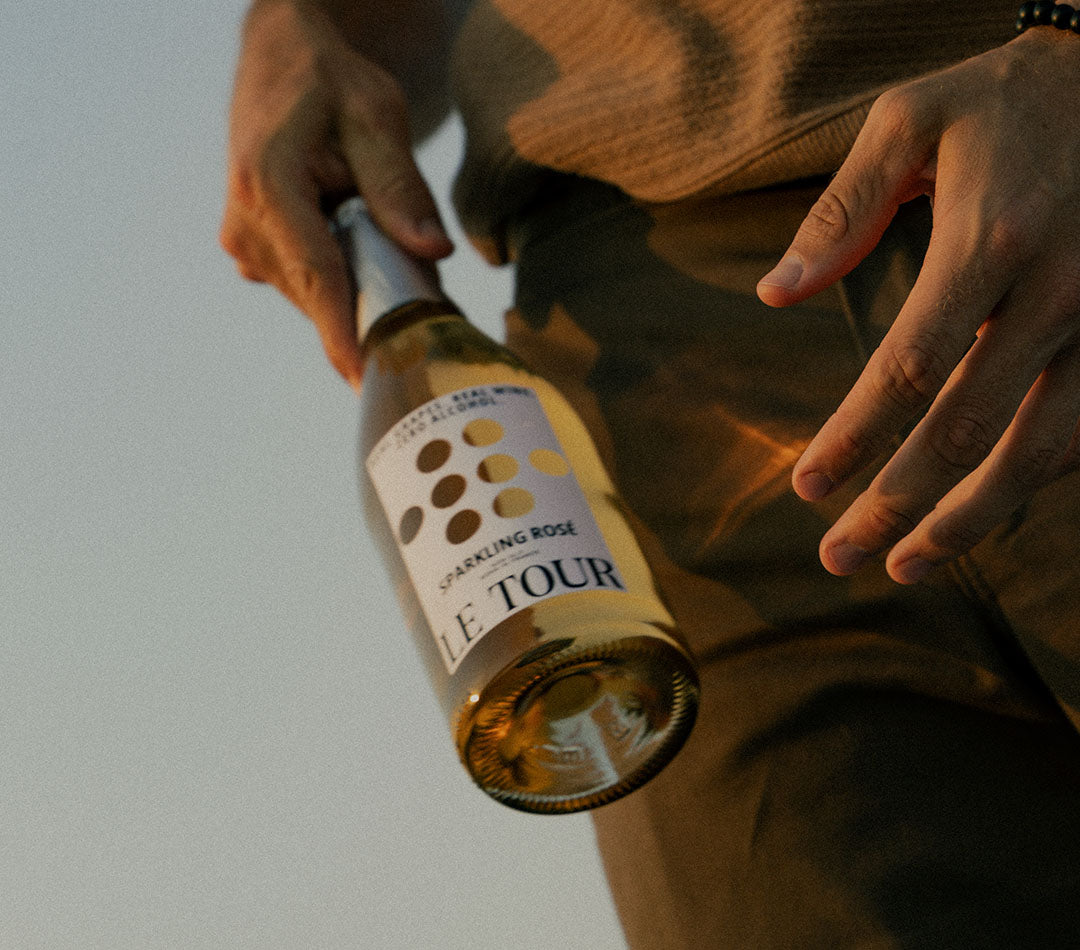
Sparkling rosé shares many of the characteristics of still rosé, but with one important difference: bubbles.
Those bubbles create an effervescent texture that changes how the wine feels in your mouth and how you experience its aromas.
Sparkling rosé can offer refreshing acidity, lively fruit characteristics, and a celebratory presentation.
Its delicate bubbles make it particularly popular for brunches, weddings, dinner parties, and special occasions.
However, sparkling rosé isn't reserved for celebrations. It can be just as enjoyable alongside a casual meal or as a refreshing aperitif.
Still Rosé vs. Sparkling Rosé: The Key Differences
Although both styles share a similar appearance, their drinking experiences are distinct.
| Characteristic | Still Rosé | Sparkling Rosé |
|---|---|---|
| Bubbles | None | Effervescent |
| Texture | Smooth and refreshing | Lively and crisp |
| Flavor experience | Fruit and acidity without carbonation | Fruit and acidity complemented by bubbles |
| Serving temperature | Chilled | Well chilled |
| Popular occasions | Lunch, dinner, outdoor gatherings | Brunch, celebrations, aperitifs |
| Food pairings | Salads, seafood, grilled vegetables | Appetizers, seafood, light dishes |
Neither style is inherently better than the other.
The best choice depends on your personal preferences, the food you're serving, and the experience you want to create.
If you're exploring wine styles beyond rosé, our complete guide to choosing the best non-alcoholic wine explains what to look for in premium French red, still rosé, and sparkling rosé wines, from grape quality and flavor to traditional winemaking.
Can Still and Sparkling Rosé Be Non-Alcoholic?
Absolutely.
Both still and sparkling rosé can be produced as non-alcoholic wines.
However, not all non-alcoholic wines are made using the same methods.
Some alcohol-free beverages begin as grape juice that has never undergone traditional wine fermentation.
Others begin as traditionally fermented wine before undergoing a process to remove the alcohol.
At Le Tour, our French non-alcoholic wines begin with estate-grown grapes and traditional winemaking methods. The alcohol is then gently removed using a process designed to preserve the wine's flavors and aromas without relying on high heat.
This approach allows us to offer wines that reflect the character and craftsmanship of traditional French winemaking.
Which Rosé Should You Choose?
Choose Still Rosé When...
You prefer a smooth wine without carbonation.
Still rosé is an excellent option for casual dinners, afternoons outdoors, or pairing with fresh Mediterranean-inspired dishes.
Its refreshing character makes it versatile enough for both everyday enjoyment and special gatherings.
Explore Le Tour Still Rosé — a premium French non-alcoholic wine crafted for moments worth savoring.
Choose Sparkling Rosé When...
You enjoy lively bubbles and a celebratory drinking experience.
Sparkling rosé is particularly well suited to brunches, cocktail-hour alternatives, dinner parties, and celebrations.
Its effervescence adds another dimension to the wine, creating an elegant experience with every sip.
Explore Le Tour Sparkling Rosé — French craftsmanship, refreshing bubbles, and a reason to celebrate.
Food Pairings for Still and Sparkling Rosé
One of the greatest advantages of rosé is its versatility with food.
Still rosé pairs beautifully with:
-
Grilled salmon and other seafood
-
Fresh salads and vegetables
-
Mediterranean dishes
-
Light pasta dishes
-
Soft cheeses
Sparkling rosé pairs beautifully with:
-
Brunch dishes
-
Shrimp and seafood appetizers
-
Charcuterie boards
-
Light hors d'oeuvres
-
Fresh fruit
The ideal pairing will also depend on the specific wine's sweetness, acidity, and flavor profile.
Frequently Asked Questions
Is still rosé the same as sparkling rosé?
No. Still rosé does not contain bubbles, while sparkling rosé has effervescence. Both can share similar fruit characteristics, but their textures and drinking experiences differ.
Is sparkling rosé sweeter than still rosé?
Not necessarily. Both still and sparkling rosé can be produced in dry or sweeter styles. The presence of bubbles does not automatically make a wine sweeter.
Does rosé wine have to contain alcohol?
No. Non-alcoholic rosé wines are available in both still and sparkling styles. Some are made by removing alcohol from traditionally fermented wine, while other alcohol-free rosé-style beverages use different production methods.
What temperature should non-alcoholic rosé be served at?
Both still and sparkling non-alcoholic rosé are generally best enjoyed chilled. Sparkling rosé is often served slightly colder to emphasize its refreshing character and bubbles.
Can you serve still and sparkling rosé at the same event?
Absolutely. Offering both lets guests choose their preferred style. Still rosé works beautifully alongside a meal, while sparkling rosé is an excellent option for welcoming guests or raising a toast.
Discover the French Art of Living With Le Tour
Whether you prefer the smooth elegance of still rosé or the lively bubbles of sparkling rosé, the most important part of wine is the experience it creates.
At Le Tour, we believe that choosing not to drink alcohol shouldn't mean giving up the traditions, flavors, and meaningful moments that make wine special.
Crafted in France from estate-grown grapes, our non-alcoholic wines are made for those who want to celebrate life without compromise.
Two styles. One philosophy. Exceptional French wine without the worry.